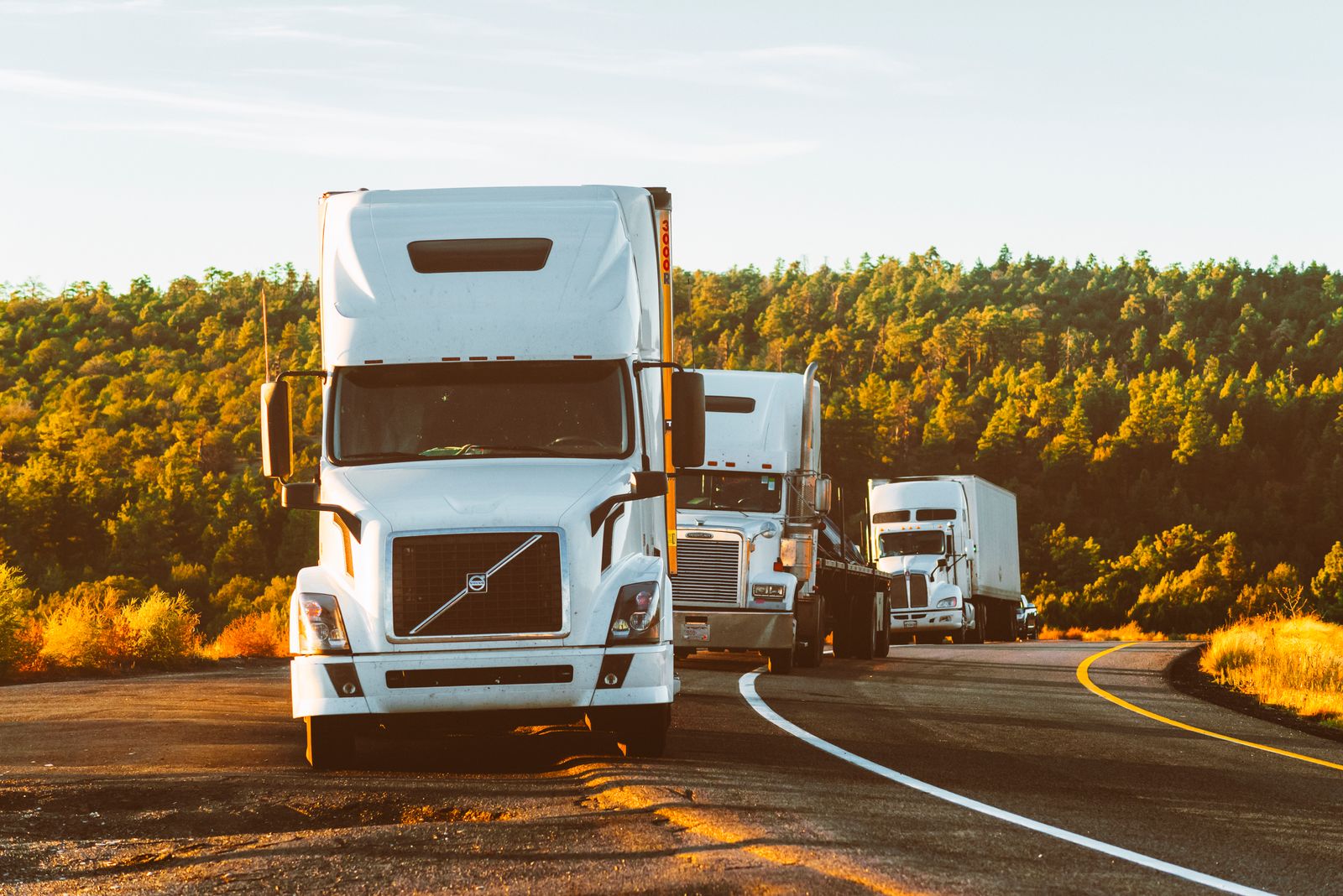
Identify the vehicle and the businesses involved
If available, keep photographs of the truck, trailer, company markings, license plates and USDOT number. A commercial collision may involve a driver, carrier, vehicle owner or other business, but involvement alone does not establish legal responsibility. The investigation must connect each potential party to the events.
Preserve records before they become unavailable
Relevant material may include dashcam footage, dispatch communications, maintenance records, inspection reports and electronic data. Not every vehicle has the same equipment. Tell the attorney which records or cameras you know about so appropriate preservation requests can be considered promptly.
Driving logs and federal rules
An electronic logging device records driving time for drivers covered by the federal ELD requirements, subject to exceptions. Those logs may help assess hours-of-service compliance. An ELD is not the same as a crash-data recorder. See FMCSA’s explanation of the ELD rule. Which regulations apply depends on the operation and vehicle.
Evaluate injury and coverage separately
A large truck does not establish a case’s value or guarantee a particular insurance limit. Medical evidence, work loss, responsibility, policy terms and available coverage all need review. Bring correspondence from the carrier or insurer, even if someone has already offered a payment.
Work directly with your attorney
Brian reviews the incident and explains what information is needed next. The firm represents injured people throughout California from its Los Angeles office, with in-person meetings by appointment.
A free first conversation
Call (310) 598-9614 or use the form below. The office is at 136 Sotello St, Los Angeles, CA 90012, with visits by appointment.
The firm charges a 33% contingency attorney fee for personal injury representation. No attorney fee is owed unless money is recovered. The written fee agreement explains how the fee is calculated and how case costs are handled; costs are separate from attorney fees.
Firm attorney: Brian Masjedian · California Bar #357298. General information, not advice about your specific claim. Attorney Advertising.
Related injury services