Los Angeles · Statewide California
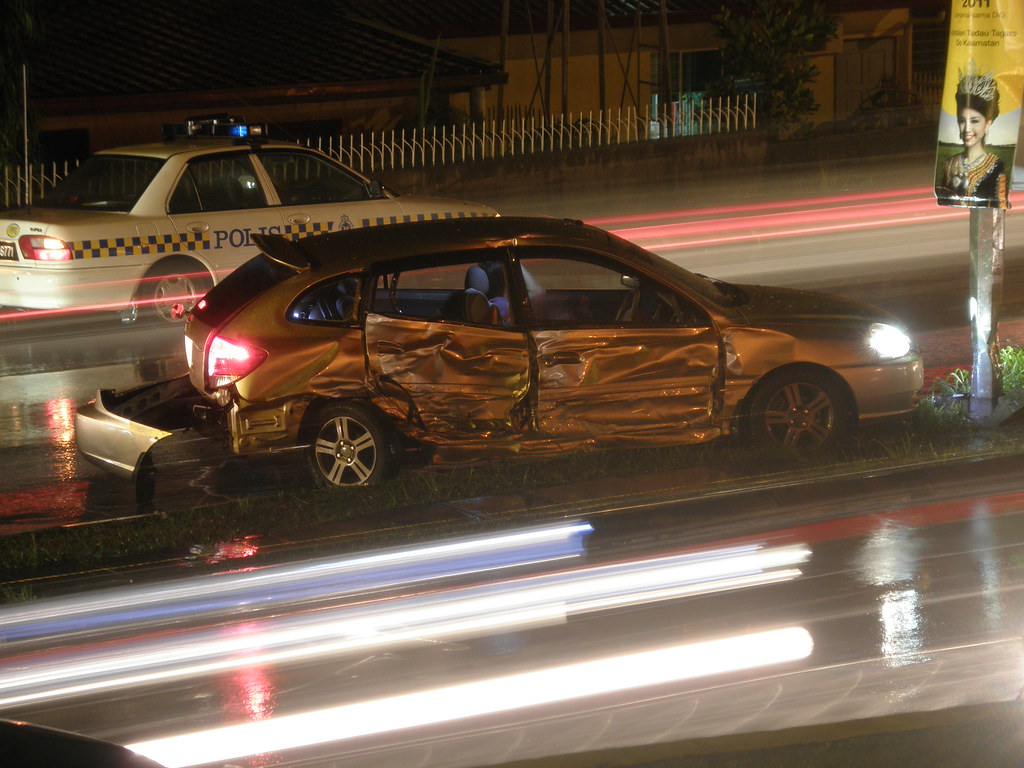
Damaged sedan after a car accident at night
Masjedian Law Firm · Accidents

Los Angeles Car Accident Lawyer

32% personal injury contingency attorney fee · No upfront attorney fees.

A crash can leave you dealing with medical appointments, a damaged car and calls from insurers at once. Get a clear starting point and speak directly with Brian Masjedian about your California injury claim.

Free injury case reviewCall (310) 598-9614
100%Personal Injury Practice
32%Contingency Attorney Fee
DirectAttorney Access
CaliforniaStatewide Representation
On this pageAfter a car accidentFault and coverageYour next stepCommon questionsFree case review
After a car accident

Start with what needs attention now.

Get care and keep the records together

If anyone is in immediate danger or needs emergency help, call 911. Follow your treating provider’s advice. Once you are safe, keep your discharge paperwork, appointment information and bills in one place. Tell providers accurately how the collision happened and what symptoms you have; do not guess about a diagnosis.

Save the details before they become hard to find

  • The date, intersection or freeway location, direction of travel and report number.
  • Driver, vehicle and insurance details, plus witnesses’ contact information.
  • Original scene photos and dashcam files, including the moments before the impact.
  • Adjuster letters, claim numbers, repair estimates and towing or rental receipts.

Photograph only from a safe place. Do not stand in traffic or delay medical care to collect evidence. The after-accident checklist can help you organize what you have.

A police report does not replace the DMV report

DMV requires an SR-1 within 10 days when a collision causes injury, death or more than $1,000 in property damage. That requirement is separate from reporting to police or an insurer. Check DMV’s SR-1 instructions.

Fault and coverage

Three questions shape the claim.

Who may be responsible?

The investigation looks at how the collision happened, not just which driver received a ticket. Vehicle damage, video, witness accounts and the roadway layout may help explain disputed movements. If a work vehicle or a dangerous road condition was involved, tell Brian at the outset so he can consider the appropriate parties and records.

For example, if one driver says a light was green and the other disagrees, a photograph of the damage alone may not settle the issue. A witness who saw the signal or video showing the approach could be important. This is a hypothetical example, not a firm case result.

Which insurance may apply?

The other driver’s liability insurance and your own coverages do different jobs. Depending on the policy and facts, collision, medical-payments or uninsured/underinsured-motorist coverage may need review. Bring your declarations page and policy if available. A driver saying “I’m uninsured” does not answer every coverage question. Read the uninsured-driver guide.

What losses can be documented?

The evaluation considers the injuries, treatment, medical expenses, lost income and effects on daily life. Save pay records and describe limitations accurately. There is no dependable settlement calculator based on repair cost or the type of crash. Responsibility, proof and available coverage all matter. Organize missed-work records.
Your next step

Understand the process before deciding.

What happens during the first conversation?

Brian starts with the accident date, location, injuries and your questions. He reviews the information available and discusses whether the firm can help and what additional records may be needed. You do not need a complete file before calling. Representation begins only after a written agreement is signed.

Based at 136 Sotello St, Los Angeles, CA 90012; office visits are by appointment. Brian speaks English and Persian (Farsi), and a legal assistant provides Spanish-language assistance. Meet Brian Masjedian or call (310) 598-9614.

Before a statement or settlement

Identify who the adjuster represents and what they are asking you to provide. Your own policy may impose cooperation duties. Have a recorded-statement request or proposed release reviewed before making a decision; a release may resolve more than the vehicle-damage portion of a claim. Questions to ask about recorded statements.

Check deadlines early

California generally allows two years to bring a personal injury lawsuit, but the deadline depends on the claim and the parties. Claims involving government agencies have different requirements and can require much earlier action. Insurance notice and reporting duties are separate. Ask for a deadline review promptly; treatment or negotiations do not automatically extend the time to sue. California Courts explains filing deadlines.

Fees and case costs

The attorney fee is 32% of the gross recovery, before case costs are deducted. If there is no recovery, clients owe no attorney fee and no case costs. The written agreement explains the expenses and deductions that may apply when money is recovered. See how the fee and costs work.

Common questions

Answers before your first call.

Do I need a police report before contacting the firm?

No. Share the accident date, location and what information you have. If a report exists, bring the agency name and report number. Missing paperwork does not prevent an initial conversation.

What if the other driver says the accident was my fault?

Give Brian the full account, including facts that may be unfavorable. A disagreement about fault calls for an evidence review. Do not assume an insurer’s initial position resolves the claim.

Can I start a claim while I am still receiving treatment?

You can ask for a case review while treatment continues. Share current treatment information and upcoming appointments. Do not wait for treatment to finish before checking deadlines.

Can you review an offer I have already received?

Bring the offer, proposed release and related correspondence, including any deadline. Whether the firm can assist depends on the facts and whether you have already signed an agreement or release.

What should I ask about fees?

Ask how the percentage is calculated, which case costs may be deducted, and whether reimbursement claims could affect the amount you receive. This firm’s attorney fee is 32% of gross recovery; no recovery means no attorney fee and no case costs.

Further reading

Check the source. Bring your questions.

Updated November 6, 2026. Firm attorney: Brian Masjedian, California Bar #357298. General information; the answer for your claim depends on its facts. Attorney Advertising.

Related injury services

Case Evaluation

Tell Us What Happened

Brian reviews inquiries directly. Response within one business day. Start with a brief summary; please do not send sensitive records through this form.

Received. The attorney will contact you within one business day.
Please enter your full name
Please enter a valid phone
Please enter a valid email
← Return to The Masjedian Law Firm

Fee-friendly personal injury representation

Looking for a car accident lawyer in Los Angeles? The Masjedian Law Firm offers a free consultation to discuss what happened, insurance questions, and whether the firm can help.

The personal injury contingency attorney fee is 32% of the gross recovery, before case costs are deducted. No upfront attorney fees. No attorney fee is charged without a recovery. Case costs are separate from attorney fees; the written agreement explains costs and deductions before you hire the firm. With no recovery, clients owe no attorney fee and no case costs.

What does the 32% contingency fee mean?

The personal injury contingency attorney fee is 32% of the gross recovery, before case costs are deducted. No upfront attorney fees. No attorney fee is charged without a recovery. Case costs are separate from attorney fees; the written agreement explains costs and deductions before you hire the firm. With no recovery, clients owe no attorney fee and no case costs.

Can I request a free personal injury consultation?

Yes. Share a brief account of the accident using the contact form or the firm’s published contact information. A consultation helps determine whether the firm can assist; sending an inquiry does not create an attorney-client relationship.

Can I ask about a crash with an uninsured driver?

Yes. Bring your own auto insurance information and any letters from the insurers to the consultation. An attorney can review potential coverage and the facts; payment is not guaranteed.